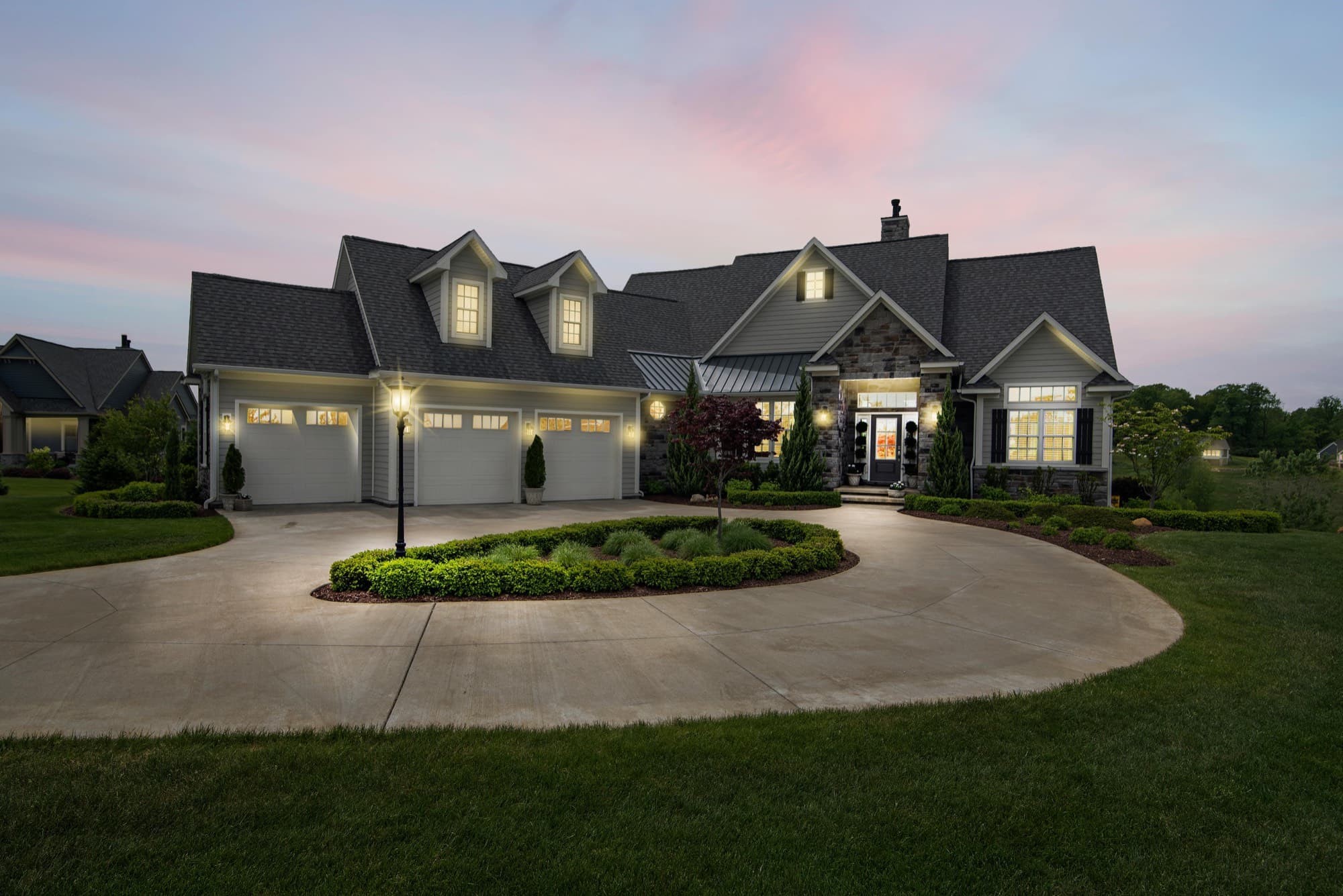
Separate rebuild cost from market value
The dwelling limit should reflect the cost to rebuild under the policy's terms. Purchase price and appraised market value measure something different and may be higher or lower. Ask when the insurer's replacement-cost estimate was updated and whether renovations are included.
Check extended or guaranteed replacement-cost provisions, their conditions, and any building-code coverage. A higher dwelling limit does not remove exclusions or guarantee every rebuilding expense will be covered.
Read how belongings are valued
Replacement-cost coverage generally values eligible items without a depreciation deduction, subject to policy settlement conditions. Actual cash value generally deducts depreciation. Some policies initially pay actual cash value and pay additional amounts after replacement.
Review category limits and the types of loss covered for jewelry, art, collectibles, and other valuables. Scheduling selected items may broaden coverage or raise limits; confirm valuation, appraisals, deductibles, and exclusions.
Distinguish different water losses
Standard homeowners coverage generally excludes flood. Sewer or drain backup and service-line damage may also need separate coverage or endorsements. Sudden plumbing leaks can be treated differently from flooding, seepage, neglect, or maintenance problems.
Ask about the particular source of water and the policy wording. Earthquake coverage also commonly requires a separate policy or endorsement. Review deductibles and limits as well as whether the coverage exists.
Review auto liability and protection for the client
Compare liability limits with household exposures and any umbrella requirements. Uninsured and underinsured motorist coverage may help when another driver has inadequate coverage, subject to state rules and policy terms. Check the available limits, who is insured, and whether bodily injury and property damage are treated separately.
Compare comprehensive and collision deductibles with accessible reserves. For a financed or leased vehicle, review whether gap coverage would address an eligible difference between the settlement and outstanding balance; exclusions and payment limits can leave amounts unpaid.
Keep the household description current
- Tell the insurer about household drivers and confirm how each is covered, rated, or excluded.
- Disclose rentals, short-term rentals, business activity, boats, and other relevant uses or exposures.
- Review policy treatment before retitling property into a trust or LLC.
- Recheck umbrella coordination when a home or auto policy changes.
A renewal is a useful time to review these details. A renovation, new driver, property purchase, or change in use should prompt a review when it happens.
Further reading: NAIC homeowners guidance and NAIC flood insurance guidance.